Khoury Family Olive Trees
Khoury OlivesFamily groves · Holy Land

Galilee · Since before 400 AD

Rooted in the Holy Land and bonded to the land

For as long as our family can remember, the Khourys have lived from this land and cared for its olive trees. Today we tend more than 1,400 of them, from the hills of the Galilee to Jerusalem and Be'er Sheva.

1,400+olive trees in the family's care
9areas, from the Galilee to the Negev
400AD, the family's roots in the land go back before it
0litres ever sold. Every bottle is a gift
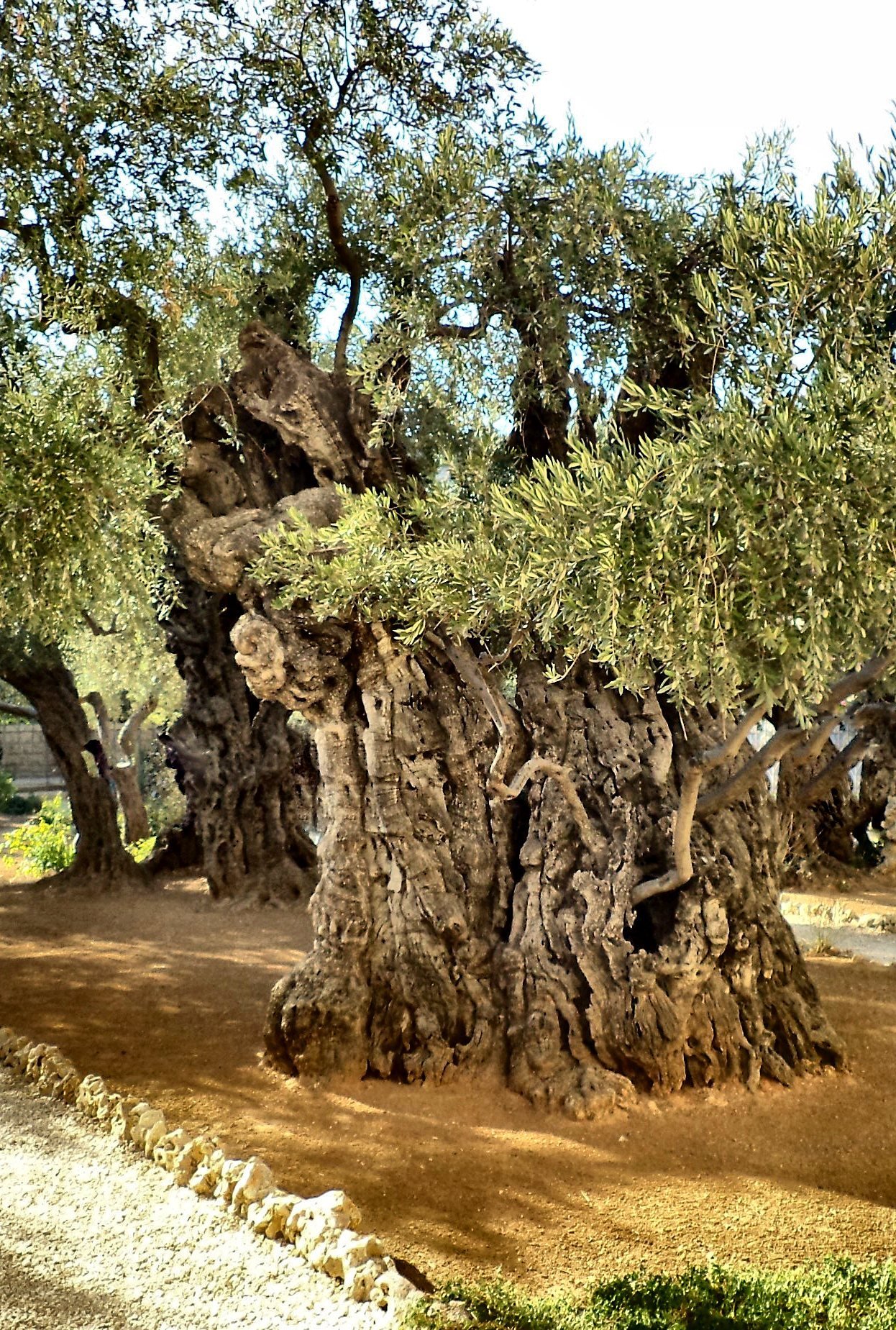
One of the oldest olive trees in the Garden of Gethsemane, a massive twisted trunk under a full green canopy

Where it began

It all began in al-Birwa

Isa Khoury was born shortly before 1948 in al-Birwa, a village on a rocky hill in the Galilee, about ten kilometres east of Acre. Its slopes were covered with olive trees.

His story, and ours, in three chapters.

  1. IThe village
  2. IIUprooted
  3. IIITo the south
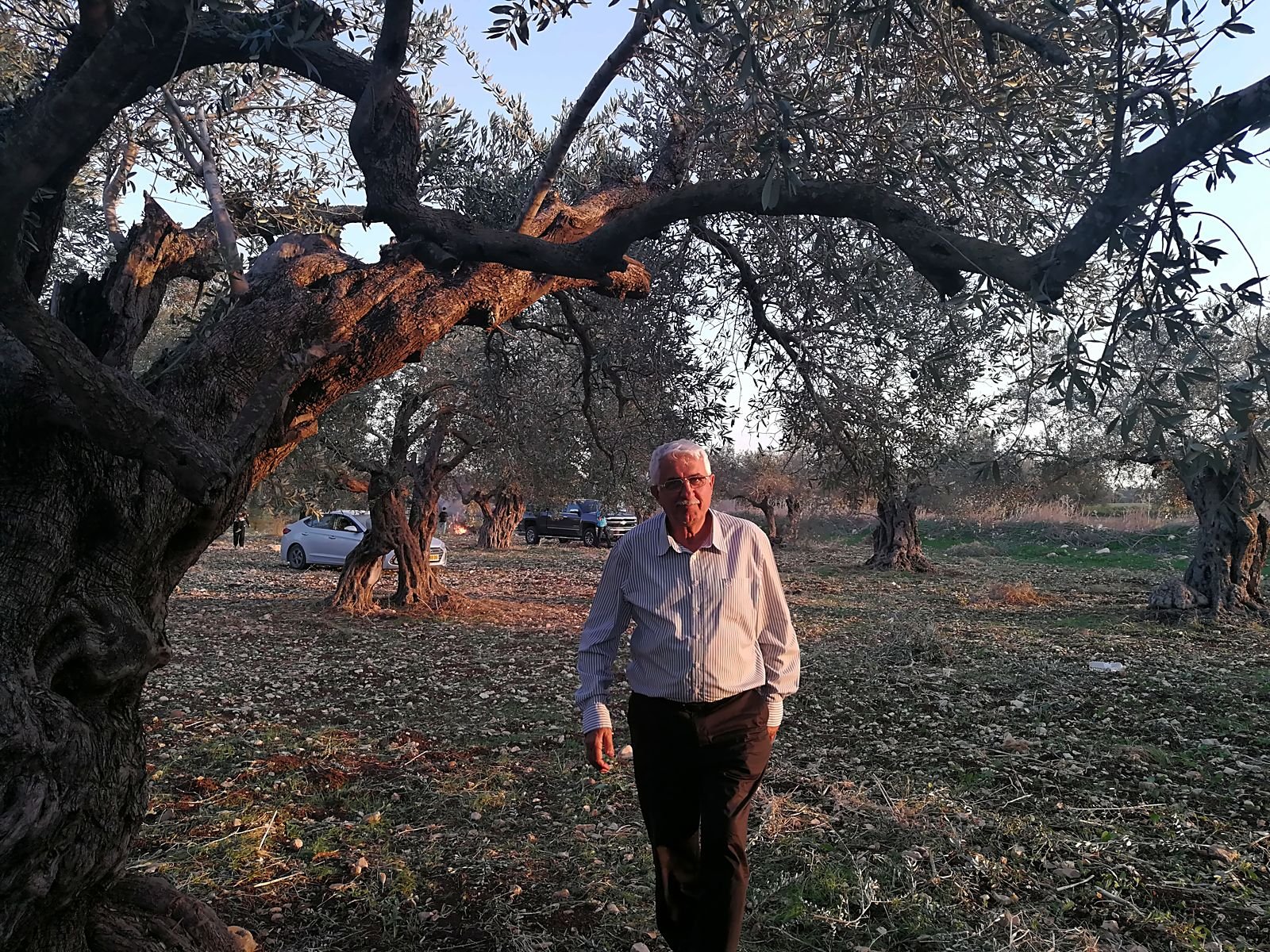
An elderly man in a striped shirt walking among wide, ancient olive trunks in late afternoon light
Among the old trees of the Galilee, late afternoon.
IBefore 1948Al-Birwa, Galilee

A village of olives

For generations the Khourys were a family of farmers. Family tradition holds that we have lived on this land since before the year 400, when the Galilee was part of the Roman province of Palaestina Secunda and the first churches were rising in its villages.

We ploughed, we planted, we picked and we pressed. The olive was not a crop. It was our life.
13,542dunams of village land in 1945
≈1,500dunams of them olive groves
10.5km east of Acre, on a hill above the plain
II1948Al-Birwa → Shefa-'Amr

A family with no home

In 1948 the family was uprooted from al-Birwa. The village lands became Kibbutz Yas'ur and Moshav Ahihud. We became refugees, moving from place to place through war and through years of unrest, until the family reached Shefa-'Amr and settled there.

Overnight we had no home. All we carried with us was each other.

Isa was the eldest son. While still a boy he went out to work at whatever job he could find, and he never finished school. Someone had to provide for his brothers and the rest of the family.

Someone had to feed the family, and that someone was him. Those years made him tough, and gave him the drive to climb out of deep poverty.

III1969 – todayDead Sea → Be'er Sheva

"Only for a few months"

In 1969 the Dead Sea Works was building a new plant in the south, and Isa was offered a job there. For a few more coins to support the family, he left behind a settled life, his young wife and their six-month-old son, and went down to the Dead Sea.

It was meant to last a few months, only for the higher wage. It has lasted to this day.

Since then we have lived in Be'er Sheva. The family has grown into large households and a third generation, and we raise our children to carry on the heritage our father built.

Isa Khoury is honoured not only as a man of work, but as a person and as a father. Every member of his family, without exception, respects him, values him and holds him dear.

Beside him stands our mother, who gave, still gives, and keeps holding every one of us together. What she planted is the family's olive tree: roots that run deep and unseen, holding fast through every season, so that each branch stays standing and keeps bearing fruit.

For us the olive tree marks our presence in this country and our commitment to its land. Our blood is mixed with this soil. Each autumn, when the family gathers under the trees, that bond is renewed.

A long line in the land

  1. c. 6000 BCOlive oil in the GalileePottery from Ein Zippori, near Nazareth, holds olive oil about 8,000 years old, among the oldest known anywhere.
  2. 1st centuryGethsemaneJesus prays among the olive trees at the foot of the Mount of Olives. The name means "oil press".
  3. c. 400The Khourys in the landThe Galilee is part of Palaestina Secunda. Family tradition places our ancestors here by this time. Al-Birwa grows in the Byzantine era.
  4. 1253"Broet"The Crusaders know the village as Broet and sell it to the Knights Hospitaller.
  5. 1596Ottoman registerAl-Birwa is recorded as a small village in the district of Acre.
  6. 1945A village of olives1,460 residents, Muslims and Christians. About 1,500 dunams of olive groves.
  7. 1948The land is lostThe family is uprooted from al-Birwa, becomes refugees and finally settles in Shefa-'Amr.
  8. 1969To the southIsa goes to work at the Dead Sea Works for a few months. The family has lived in Be'er Sheva ever since.
  9. A generation laterGrandfather buys olivesWithout asking anyone, he buys dozens of dunams of old olive trees in the Galilee.
  10. Today1,400+ treesIsa Khoury, his children and grandchildren harvest together every autumn.

Dates before 1948 for the family are family tradition. Dates for the village and the region come from published history.

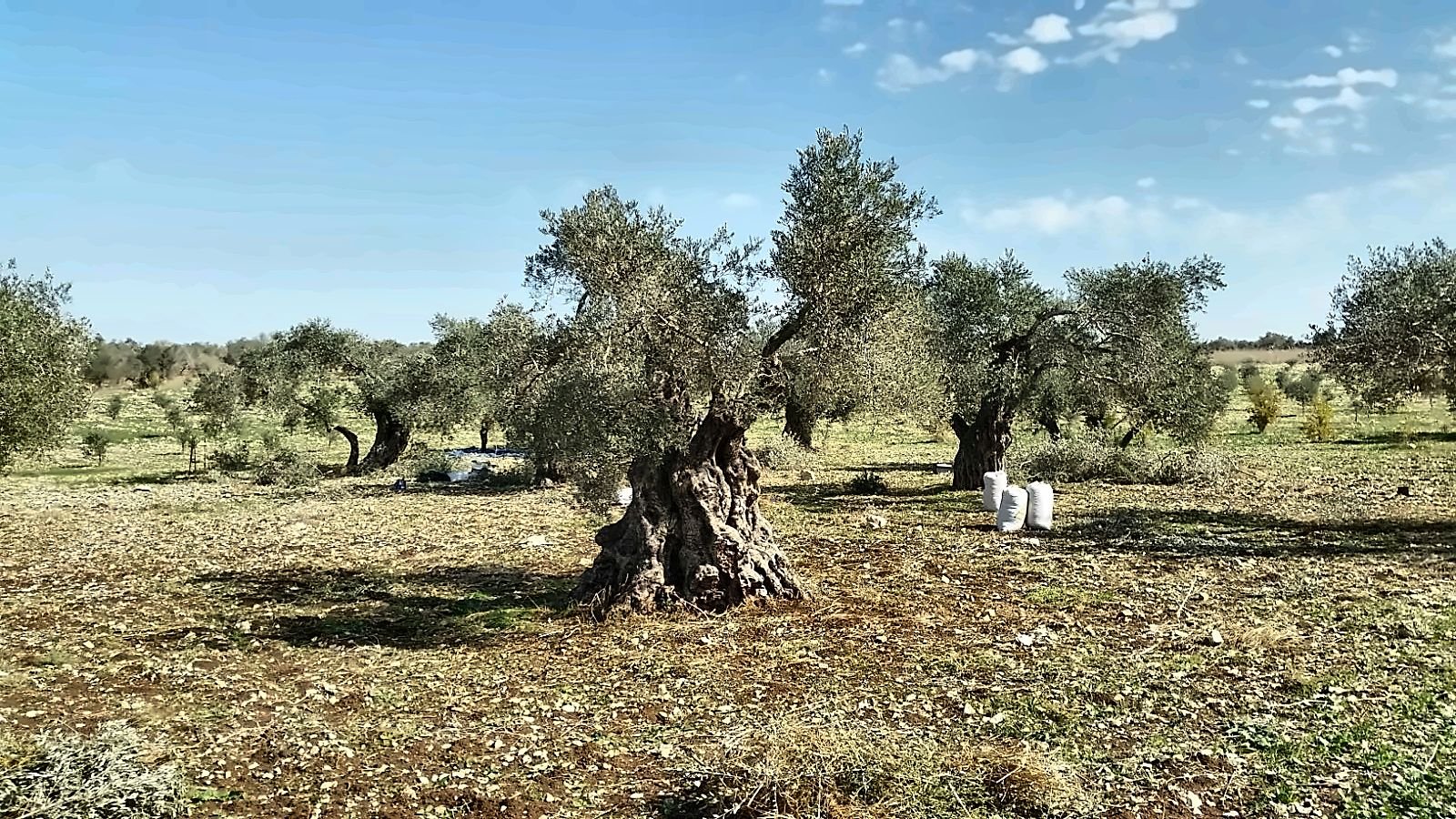
Old olive trees with thick, twisted trunks in a wide grove under a blue sky
Old trees like the ones Grandfather bought

A family story

The olives nobody asked for

When our father, Isa, was a young man, he worked hard and put aside his first savings. It was not much, a few coins, but it was his.

His father, our grandfather, did not ask him. He took the money, went out and bought several dozen dunams of old olive trees in the Galilee. Then he came home and told our father that the trees were his now, and he had better accept them.

Our father wanted to choose what to do with his money. Grandfather had already chosen for him.

Years passed. That forced purchase turned into one of the best investments the family ever made, and it gave us back a hold on the land. We still laugh about it at every harvest, and we are still grateful that Grandfather never asked.

That story is our commitment in a nutshell: generation after generation we invest in this land, and our olive trees are part of our culture and who we are.

Our groves

From the Galilee to the Negev

The family's trees stand across the length of the land, between the Mediterranean and the Jordan. The heart of it is still the Western Galilee, a few kilometres from the village where it began.

The Galilee, enlargedAcre · al-Birwa · Kafr Yasif · Shefa-'Amr · Tzippori
  • Al-BirwaThe village where Isa Khoury was born. Where the story begins.
  • Kafr YasifGroves in the hills just north of al-Birwa.
  • AcreTrees on the edge of the Acre plain, near the sea.
  • Western GalileeOld, wide trees on stony hillsides.
  • Upper GalileeHigher, cooler ground where the olives ripen late.
  • JerusalemTrees in the hills of the holy city.
  • Shefa-'AmrThe town where the family settled after 1948, and the groves in the hills around it.
  • TzipporiGroves around ancient Tzippori, where olive oil was already made 8,000 years ago.
  • North of Kiryat GatGroves in the southern lowlands, just north of Kiryat Gat.
  • Be'er ShevaThe southern groves, at the edge of the desert, and the family's home since 1969.

The holy tree

One tree, three faiths

In the Holy Land the olive belongs to everyone. It is a sacred tree in Judaism, in Christianity and in Islam, and it has outlived every empire that ruled here. As a Christian family of the Galilee, we feel at home under all three of its branches.

Judaism

The dove returned to Noah's ark with an olive leaf. Pure olive oil lit the menorah in the Temple in Jerusalem, and the olive is one of the seven species of the Land of Israel.

"And the dove came in to him in the evening; and, lo, in her mouth was an olive leaf plucked off."Genesis 8:11

Christianity

Jesus prayed on the night before the crucifixion in Gethsemane, an olive grove whose name means "oil press". On Palm Sunday, churches across the Galilee still carry olive branches.

"Then cometh Jesus with them unto a place called Gethsemane."Matthew 26:36

Islam

The Quran swears by the fig and the olive, and it likens God's light to a lamp lit from the oil of a blessed olive tree.

"Lit from a blessed tree, an olive, neither of the east nor of the west."Quran, Surat an-Nur 24:35
900

The trees of Gethsemane are among the oldest olive trees known. A 2012 study by Italy's National Research Council dated the trunks of the trees it could test to the 12th century, about 900 years old, and found that they grew from the same parent tree. Their roots may be far older. Our own old trees in the Galilee belong to the same long line.

The harvest

Three generations under one tree

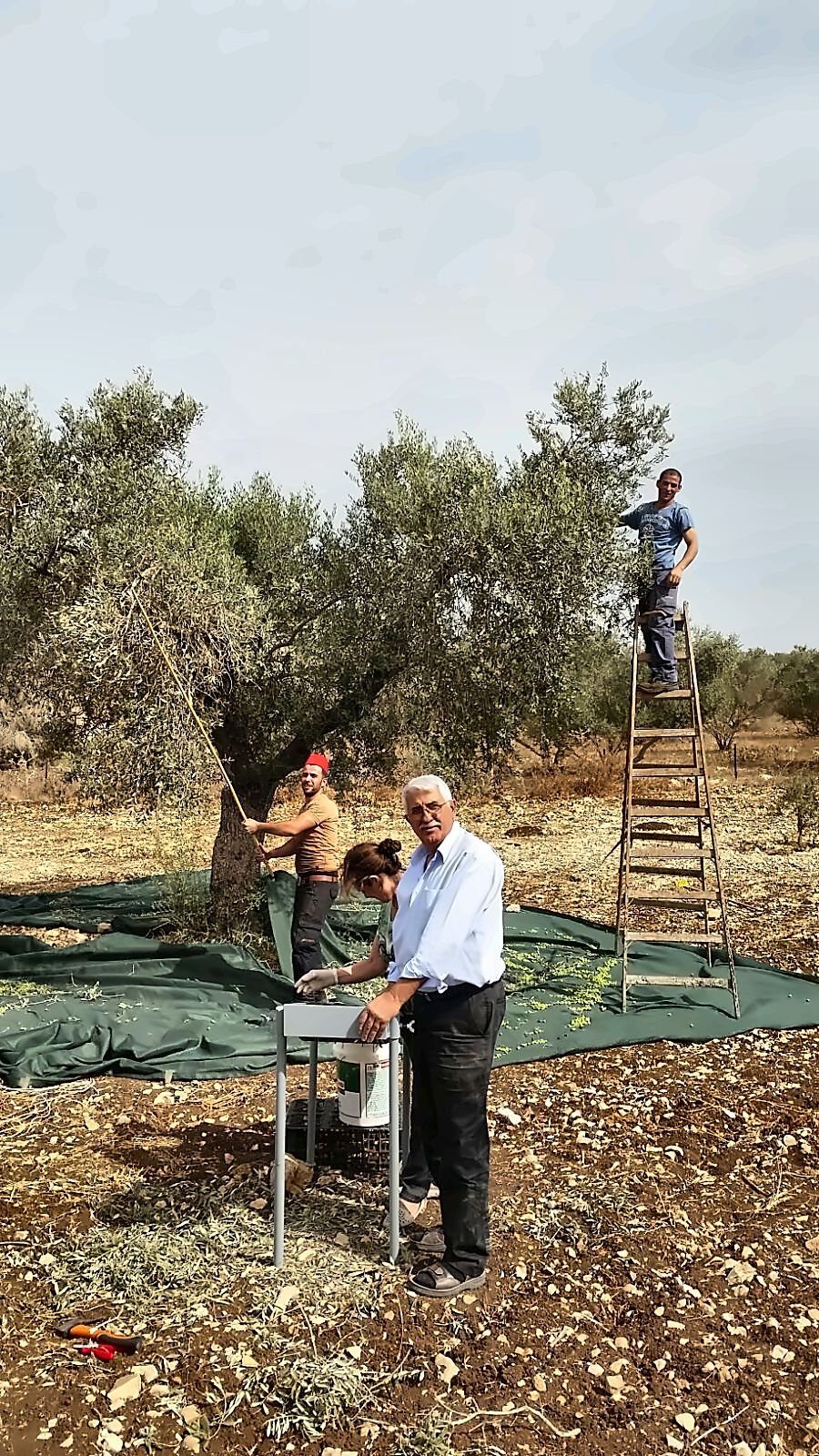
Every autumn the family goes out to the groves. Isa Khoury oversees the picking himself, with his children beside him and the grandchildren learning the work the way he learned it. Nets on the ground, ladders against the trunks, buckets filling by hand.

October to November picking seasonBy hand with nets, ladders and bucketsFamily photos from the harvests

From tree to oil

At the olive press

From the grove the olives go to a local olive press in the Galilee, where we stay and watch every step. Our olives are pressed on their own and the oil goes home with us.

  1. Harvest in the grove
    01

    Picking

    By hand, from ladders, onto nets.

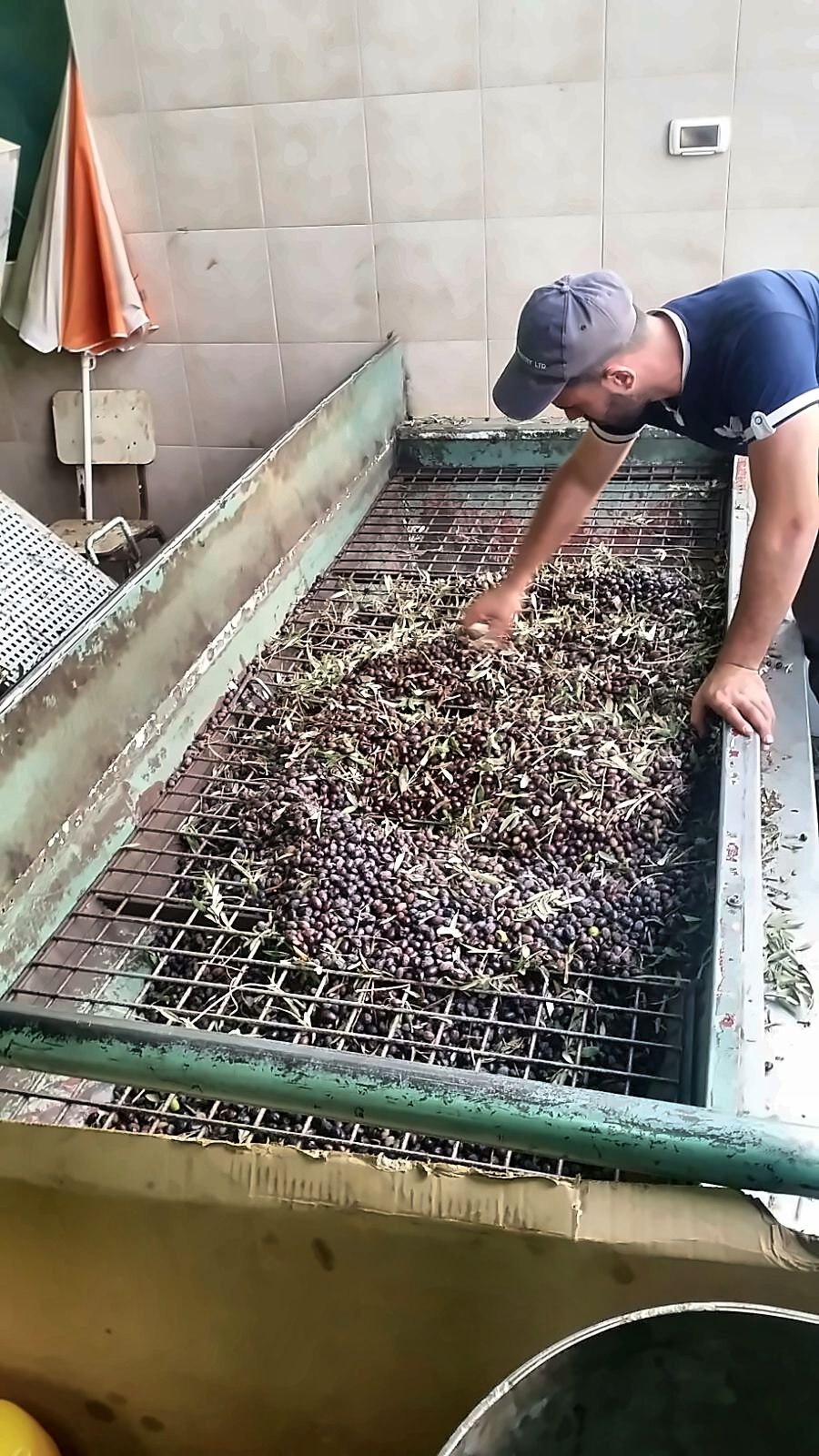
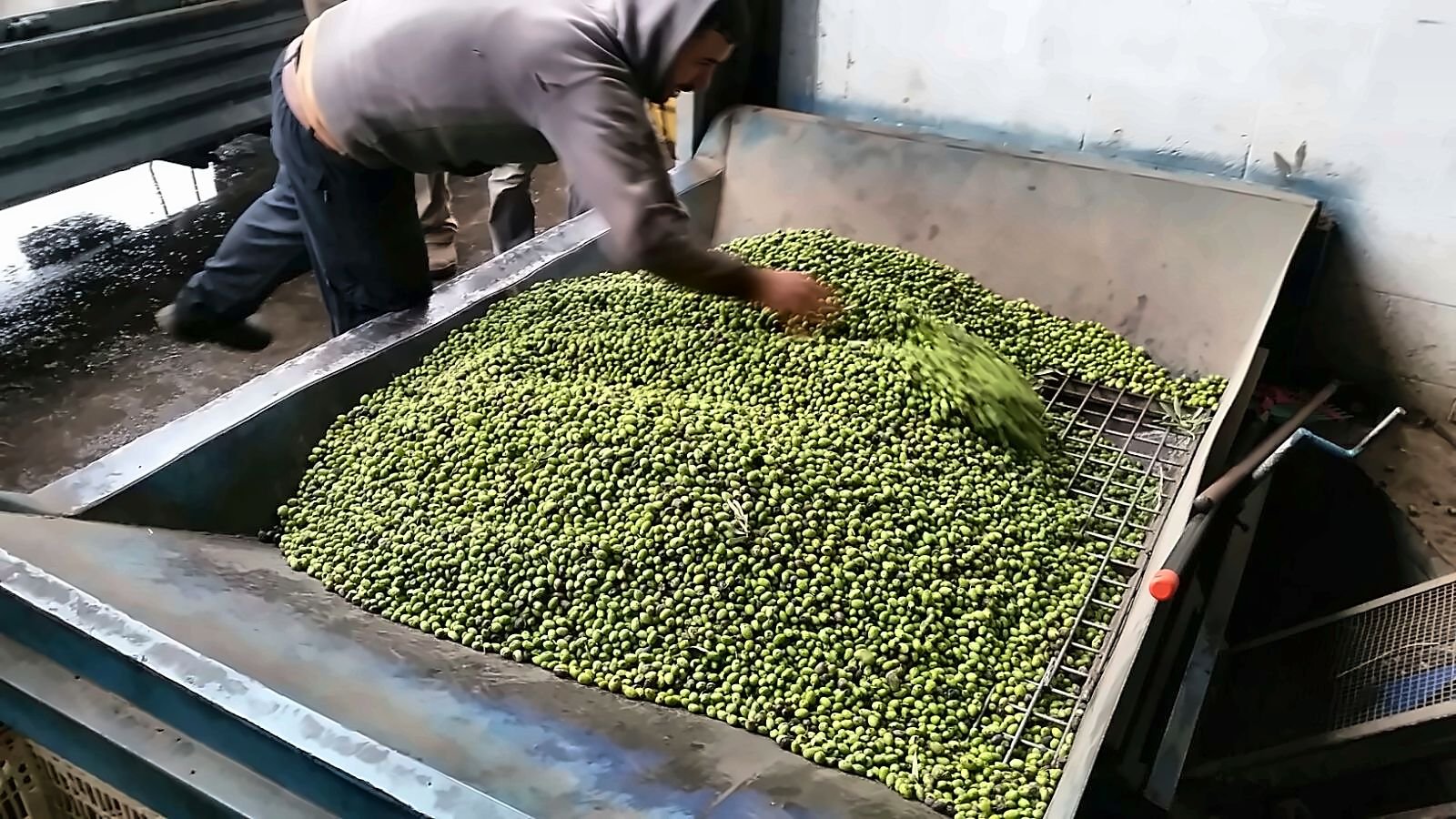
  2. A man checking olives on a sorting grid at the press
    02

    Sorting

    Leaves and twigs come out. We check every load.

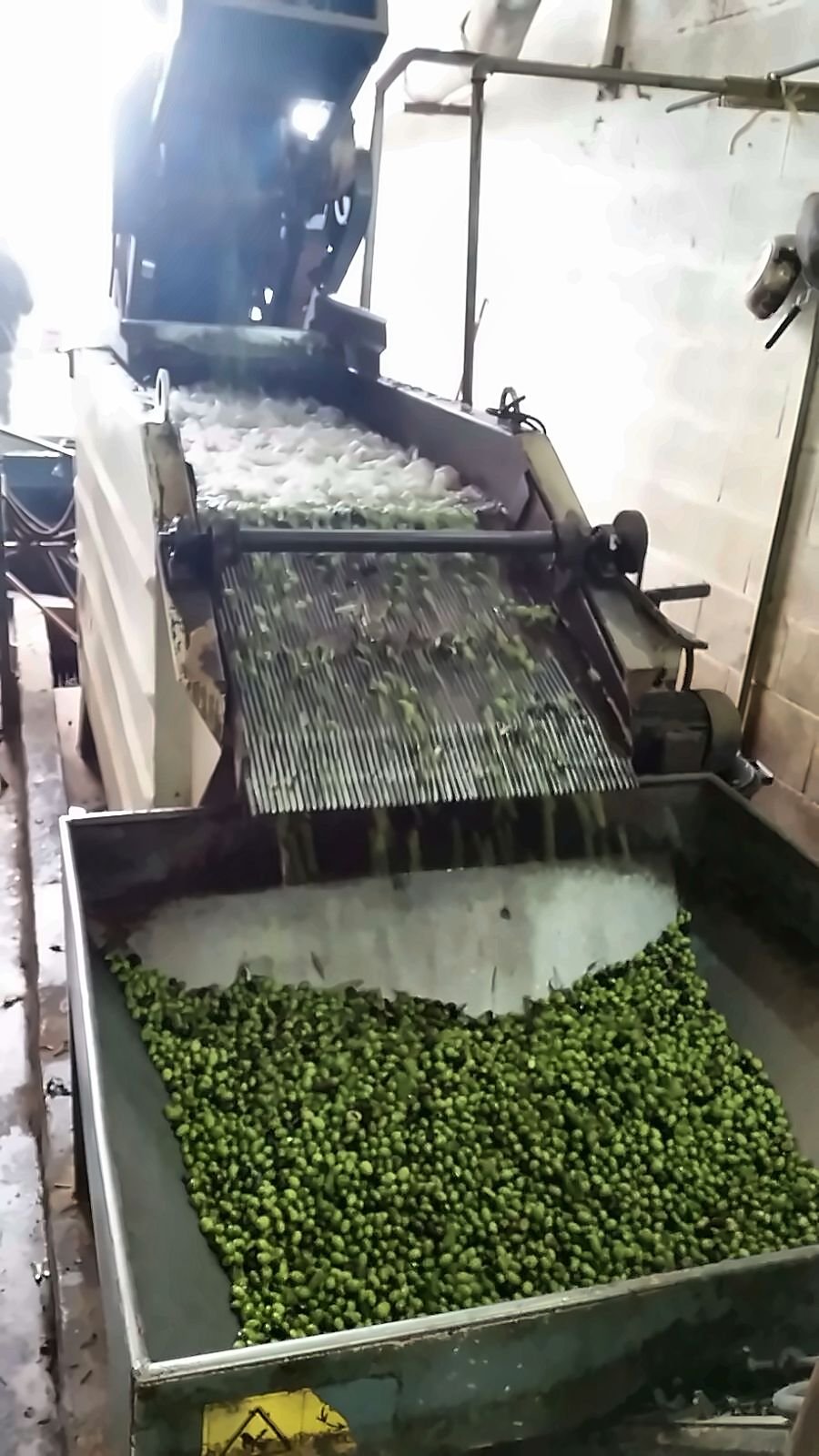
  3. Olives moving through a washing machine at the press
    03

    Washing

    The olives are washed in clean water.

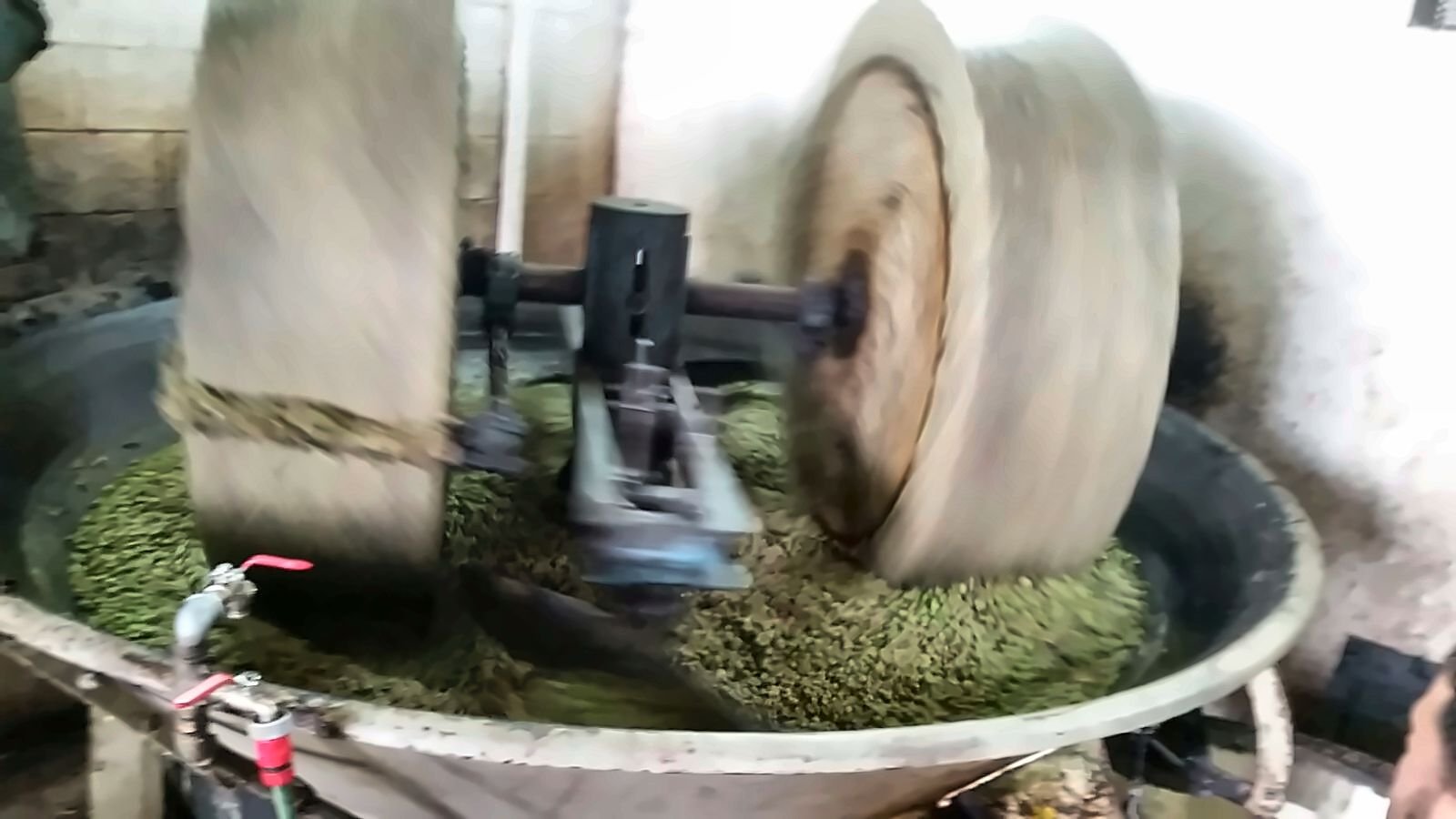
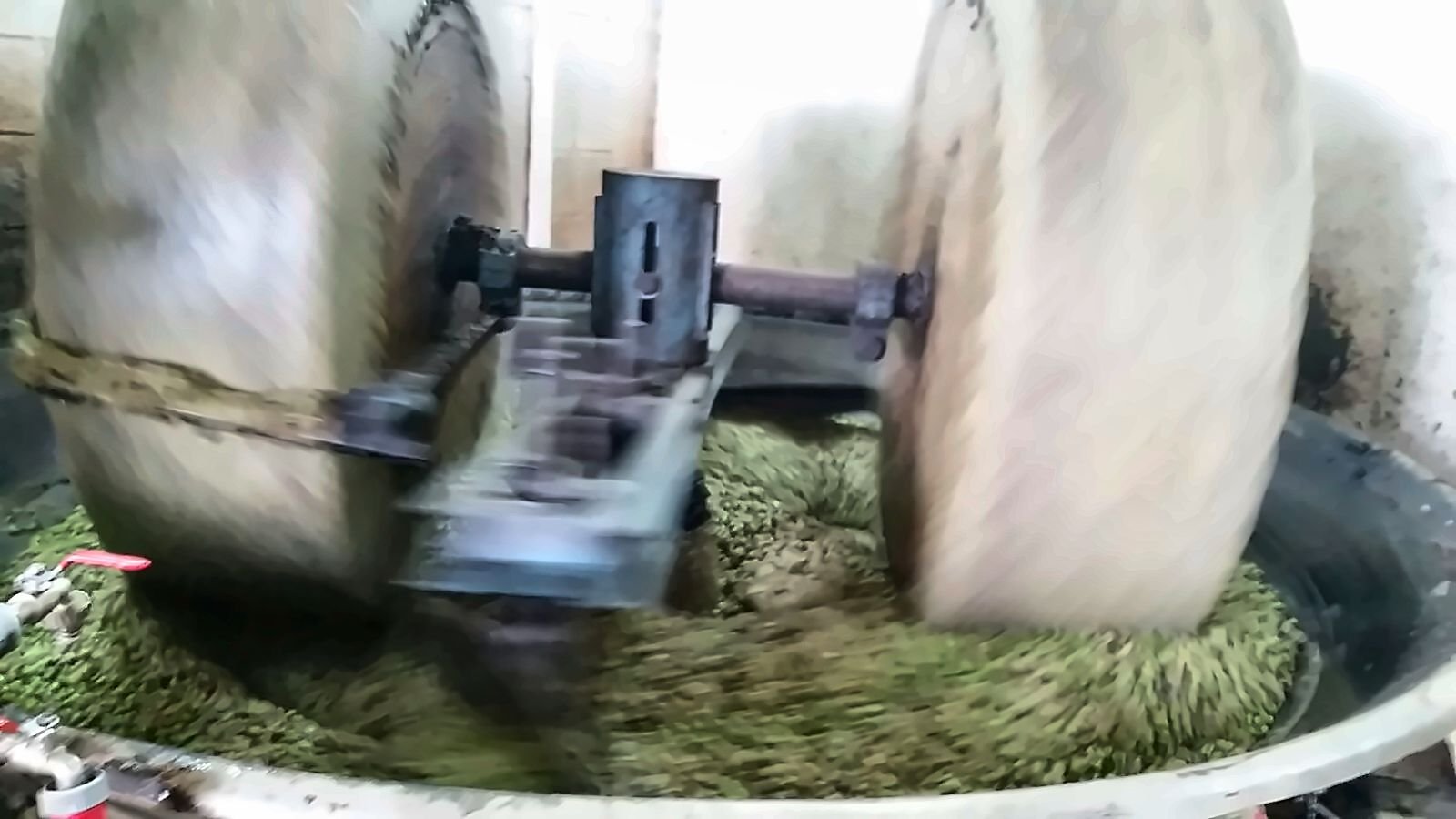
  4. Two large stone millstones crushing olives in a steel basin
    04

    Crushing

    Under heavy stone millstones, the old way.

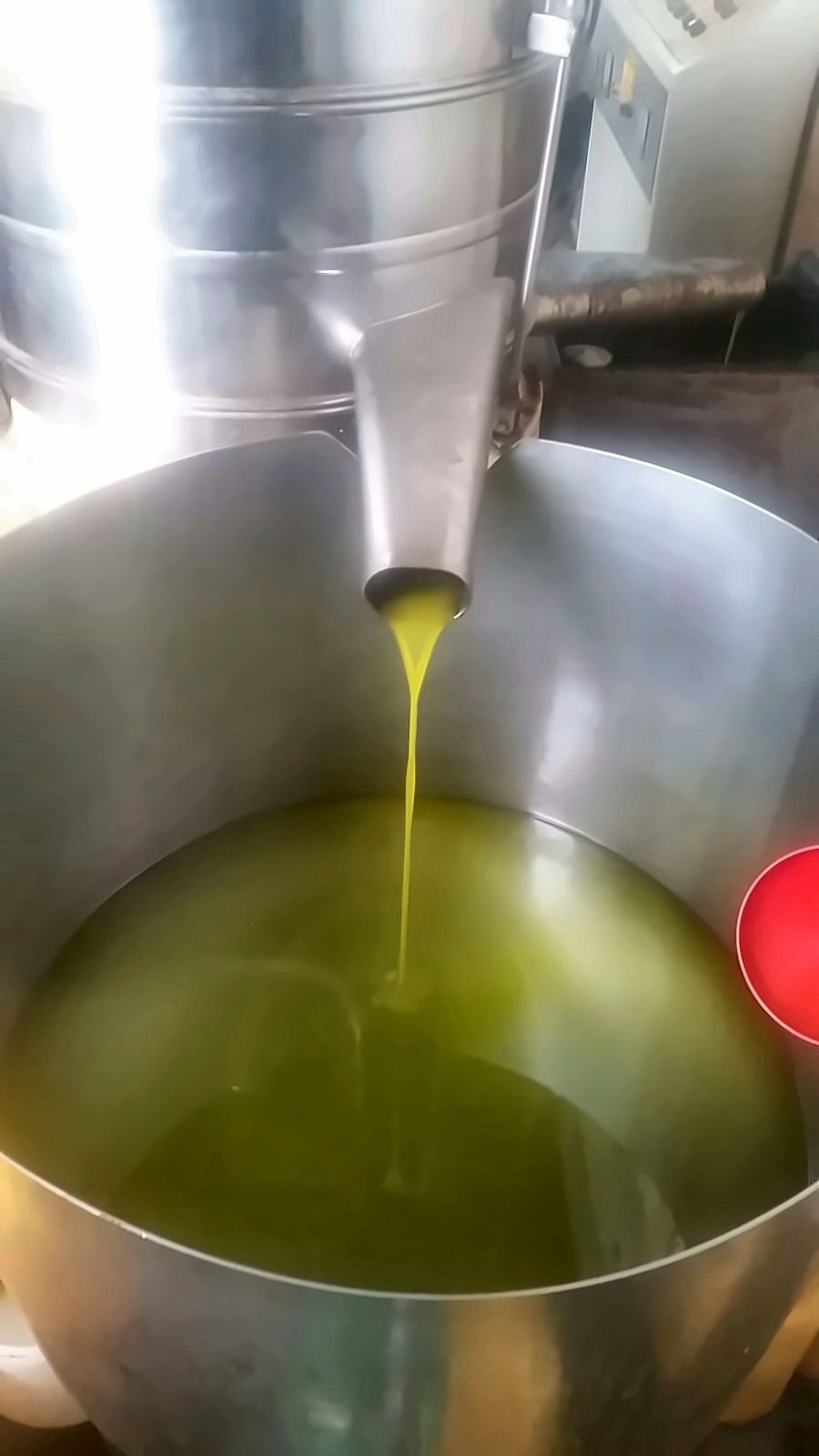
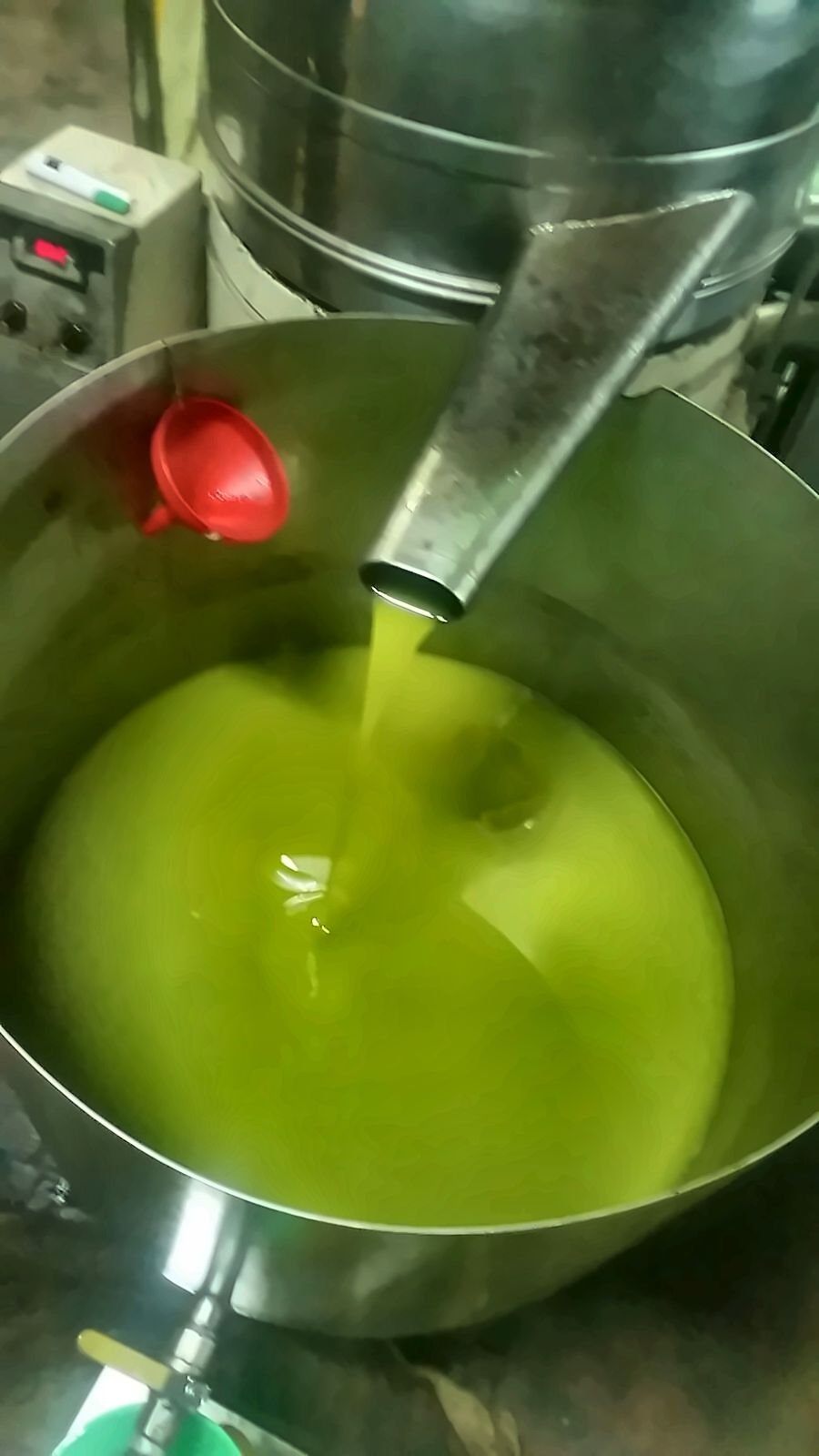
  5. A stream of fresh green olive oil pouring into a steel tank
    05

    First oil

    Green, cloudy, peppery and alive.

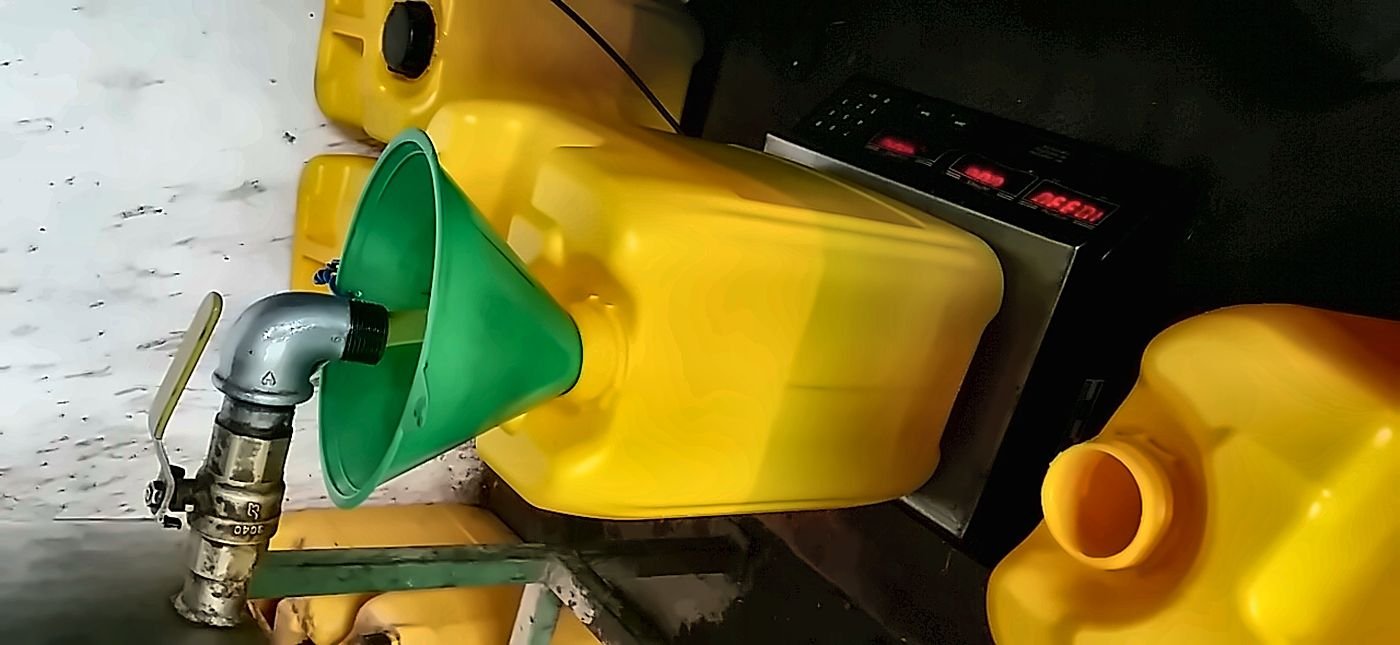
  6. Fresh oil being poured through a green funnel into yellow containers
    06

    Home

    Into the family's own containers, then into bottles to share.

Fresh golden-green olive oil flowing into a steel vessel A pile of fresh green olives on a steel grid Stone millstones turning in olive paste

Our oil

Not for sale. Made to share.

Every year the harvest gives us many litres of olive oil of the highest quality. We do not sell it. It goes to our family, to our friends, and to colleagues and friends from abroad who come to visit the Holy Land, as a gift from our land. Every taste of the Khoury family's oil connects the one who tastes it to the people, to the spirit and to the place.

Our trees onlyEvery drop comes from the family's own groves.
Never blendedNothing is added and nothing is mixed in.
Pressed under our eyesAt local olive presses, with strict cleanliness and safety.
Given, not soldFor family, friends and partners. Never for profit.

A bottle of our oil carries a piece of the Galilee: the stone, the sun and the hands of three generations.

Our values

We would rather buy another olive grove than another luxury.

Connected to the soil

An olive tree is part of the earth it grows in. Its roots hold the terraces together and its age is measured in centuries. That is how we want to be: part of this land, not passing through it.

Investing in the land

From Grandfather's first purchase to today, the family has kept buying land and old groves and caring for them. Money spent on the land stays with the next generation.

Keeping the heritage

We keep the old trees, the old varieties and the old ways of picking alive, and we hand them on to our children, so the next harvest is theirs.

The commitment that keeps the olive groves alive also drives the family's work beyond the groves. For four decades the family has built power plants, bridges, ports and industry across Israel, the PA and Jordan, with local people and local hands. Planting a tree and building a power plant come from the same place: staying, building and caring for the land and the people who live on it.

Contact

Get in touch

For anything about the family groves, the harvest or our oil, we would be glad to hear from you.

Be in contactKhoury family
Phone +972 8-623-1330

Accessibility statement

We want every visitor to be able to read our family's story. This site was built with accessibility in mind, following the principles of WCAG 2.1 at level AA and the Israeli Standard IS 5568.

If you find something on the site that is hard to use, please call us at +972 8-623-1330 and we will fix it.

Last updated: October 2026.